
7 Crucial Steps a Richmond Conveyancer Manages in a Property Sale
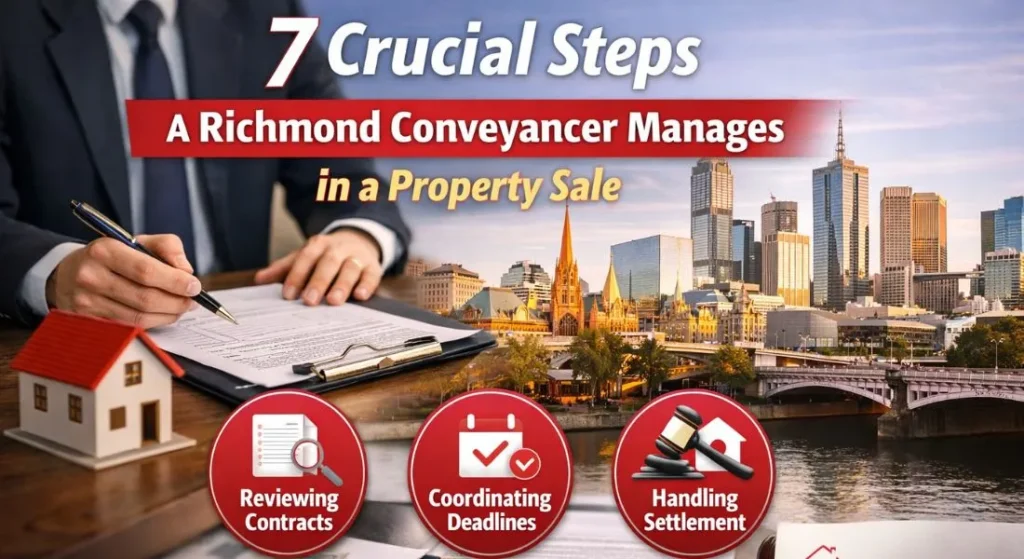
When it comes to selling a property in Richmond, a conveyancer can make the process smoother from start to finish. Not only can a Richmond conveyancer prepare and review key documents, but they can also manage buyer conditions, contract changes, and settlement details. Besides, selling a home involves legal checks, strict timelines, and detailed paperwork. Missing even a small step can cause delays or disputes. A conveyancer handles these legal tasks with care, keeping the sale clear and on track. They also act as a single point of contact during the sale, working with agents, buyers, and banks as needed. This helps reduce confusion, keeps communication clear, and ensures each step is completed at the right time. With their knowledge of local rules and property laws, a Richmond conveyancer protects the seller’s interests from listing to settlement. Their support helps avoid costly errors and keeps the sale moving toward a proper close. Top 7 Steps a Richmond Conveyancer Handles During a Property Sale Whether you are selling your home or a commercial property in Richmond, a conveyancer can oversee the legal steps that move the sale from listing to settlement. These steps must follow a set order and align with required time frames. With a Richmond conveyancer by your side, you can focus on the sale with confidence, knowing the legal as well as administrative matters are being handled correctly. Throughout the sale, the conveyancer in Richmond maintains oversight of the legal process and ensures it remains compliant with property law. Their involvement supports consistency and control as the transaction moves forward. By overseeing each stage, the conveyancer helps maintain clarity throughout the sale. Sellers benefit from a structured process where legal requirements are handled correctly, allowing the transaction to progress toward settlement without unnecessary disruption. Here are seven steps a Richmond conveyancer handles during a property sale. Gathers Required Property Documents From title details to council and zoning information, the conveyancer collects all required documents, giving buyers confidence that they have accurate information and the sale proceeds without surprises. The conveyancer also ensures any certificates, approvals or legal disclosures needed for the contract are ready and complete. Having all documents organised in advance helps the seller meet legal obligations, reduces the chance of delays, and allows buyers to review the property confidently before moving forward with the purchase. Checks Legal Compliance In addition to gathering required property documents, a conveyancer also ensures the property meets all legal requirements. This includes reviewing local council rules, zoning regulations, planning restrictions, and any mandatory disclosures. By verifying compliance early, the conveyancer helps prevent issues that could delay the sale. The table below highlights the key tasks a conveyancer handles to maintain legal compliance. Task Role of the Conveyancer Review local rules Checks council regulations, zoning as well as planning restrictions Verify disclosures Confirms all mandatory disclosures are complete Early compliance check Identifies potential legal issues before listing Prepares the Contract of Sale Before a property changes hands, the conveyancer drafts and reviews the contract of sale to protect the seller’s legal and financial interests. The contract clearly outlines the sale price, settlement terms, and any special conditions, providing a framework that both parties can rely on. By preparing a complete and well-structured contract, the conveyancer helps prevent disputes, keeps the transaction on track, and ensures the seller is protected throughout the sale process, giving confidence that the sale proceeds smoothly and securely. Manages Contract Changes Throughout the sale, the conveyancer oversees any contract changes, keeping the terms clear as well as compliant with legal requirements for the seller. This includes handling extensions, special conditions or amendments requested by the buyer or required by the transaction. The Richmond conveyancer properly documents each change to make it legally binding, reducing the risk of disputes or misunderstandings. Oversees Settlement Preparation The conveyancer ensures everything is ready for settlement, checking financial details, deadlines, and documentation. They can also guide the seller through important legal requirements, such as Section 32 statements in Richmond property deals, helping avoid last-minute issues and protecting the seller’s interests as the transaction moves toward completion. Communicates with All Parties During the property sale, the conveyancer keeps all parties informed, including buyers, agents, and lenders. The conveyancer keeps all parties informed about contracts, deadlines, and legal requirements, making sure responsibilities are clear. The conveyancer also responds to questions promptly and clarifies any uncertainties, helping to avoid confusion or delays.By maintaining clear and consistent communication, the conveyancer protects the seller’s interests, ensures the transaction stays organised, and helps the sale progress smoothly toward settlement with confidence. Finalises the Sale Once all documentation and settlements are in place, the conveyancer oversees the completion of the transaction. They ensure that contracts are lodged correctly, funds are transferred, and the property title is legally registered. The conveyancer also verifies that all obligations and conditions have been met by both parties. This careful handling protects the seller, prevents errors, and ensures a smooth closing. With the conveyancer managing these final steps, all documents as well as settlements are handled properly, allowing the seller to finalise the sale confidently. Conclusion A conveyancer plays a vital role in selling a property in Richmond, managing legal requirements, contracts, and settlements. Their expertise ensures compliance, prevents delays, and protects the seller’s interests. They can also guide sellers through important legal documents, like Section 32 property statements, keeping the transaction organised, reducing risks, and helping the sale conclude smoothly. With a Richmond conveyancer handling these responsibilities, sellers can feel confident that their property sale will be completed efficiently and securely. Are you looking for a reliable conveyancer to guide you through your Richmond property sale? Goodwill Conveyancing offers reliable conveyancing services, handling contracts, legal checks, and settlements with care. Frequently Asked Questions What documents does a conveyancer prepare during a property sale? A conveyancer prepares the contract of sale, title documents, council and zoning information, and any required disclosures. These documents provide accurate details for the buyer and ensure the sale complies
10 Common Conveyancing Problems in Ringwood & How to Avoid Them

Let’s face it, conveyancing can be a complex process, and even small mistakes can turn into major headaches. A conveyancer can help, but missed deadlines as well as paperwork errors can still cause delays. Not only do you need to select a trustworthy conveyancer, but you also need to stay involved, provide accurate information, and check that every step is being handled properly. Many common conveyancing problems in Ringwood happen because small errors are overlooked or deadlines are missed. Nonetheless, with the right preparation and a careful approach, most conveyancing problems can be avoided. By staying involved, providing accurate information, and checking that each step is handled properly, you can reduce delays, prevent mistakes, and avoid unnecessary stress. Understanding what to watch for and taking a few simple precautions gives you more control as well as ensures your conveyancing process in Ringwood runs smoothly. Top 10 Common Conveyancing Problems in Ringwood & How to Avoid Them Conveyancing in Ringwood comes with its own set of challenges. Even experienced conveyancers can encounter issues that cause delays, extra costs, or stress. Understanding the most common problems before they happen gives you an edge and helps you take practical steps to avoid them. Some conveyancing problems in Ringwood arise from miscommunication, while others come from overlooked details or assumptions that everything is being handled correctly. Fees, special conditions, and searches are all areas where problems often appear. By knowing what to look out for and being proactive in checking documents and timelines, you can prevent delays as well as unnecessary stress. Here are ten common conveyancing problems in Ringwood and practical ways to avoid them. Poor Communication It goes without saying that poor communication between you and your conveyancer can not only cause delays but also lead to mistakes as well as confusion. Missed updates, unclear instructions, or slow responses can create unnecessary stress and even extra costs. To avoid this, make sure your conveyancer provides regular updates as well as explains each step clearly. Ask questions whenever something is unclear, as well as stay engaged throughout the process. Keeping communication open ensures deadlines are met, documents are correct, and your conveyancing in Ringwood runs smoothly from start to finish. Hiring an Inexperienced Conveyancer Choosing a conveyancer without enough experience can lead to unexpected mistakes as well as delays. They may overlook important details, misunderstand local rules, and miss deadlines, creating unnecessary stress. In Ringwood, it helps to work with someone familiar with the area and property procedures.Make sure you check their experience, credentials, and client feedback before hiring a conveyancer. A knowledgeable conveyancer in Ringwood ensures the process stays on track, avoids common pitfalls, and helps the entire conveyancing process run smoothly from start to finish. Missed Deadlines Deadlines are critical in conveyancing, and missing them can lead to delays, extra expenses, and legal headaches. This often happens when documents, approvals, or payments are submitted late. To avoid problems, keep track of all key dates and provide your conveyancer with the required information on time. Regularly follow up to confirm tasks are completed as planned. Staying organized and proactive ensures the conveyancing process in Ringwood runs smoothly, reduces unnecessary stress, and prevents issues that could otherwise derail your property transaction. Lack of Client Involvement When a client does not participate in the conveyancing process, this may lead to confusion and, subsequently, to a large number of problems. Clients who do not engage in the process are often unable to provide necessary documentation, information regarding the closing of their property, and missing their deadlines all add to delays and an increased level of stress. By engaging in the conveyancing process and ensuring all required documentation is accurate, you can reduce the possibility of mistakes occurring. When clients engage with their conveyancer throughout the conveyancing process in Ringwood, there will be no chance of anything being missed during the process. Additionally, if you take the time to understand how the conveyancing process works in Ringwood, you will have a much better understanding of what to expect with regard to both the timing and the cost of this whole process. Incomplete or Incorrect Paperwork One of the most important aspects of the whole conveying process is ensuring that you submit your documentation on time. Having missing information, incorrect details, or incomplete documents will cause delays, costs, and issues with the sale of your property. To minimise these issues, it is critical to go through all your documents thoroughly prior to sending them off and submitting complete information. Keeping your documents in a neat and orderly manner, checking all documents with a conveyance,r and ensuring that nothing is missed will help make the process easier as well as reduce stress on everyone involved in the transaction. Overlooked Easements or Restrictions Without a doubt, easements or property restrictions are often overlooked during conveyancing, but they can create serious issues later. These legal rights or limitations can affect how the property is used or developed. If you don’t identify them early, there’s a chance that it may lead to disputes, delays, or unexpected costs. Ensuring your conveyancer thoroughly reviews all title documents, as well as council records, helps uncover any easements or restrictions. Taking action ahead of time helps avoid problems and ensures everything runs smoothly. Title Issues When it comes to conveyancing, problems with property titles are a common concern. Numerous issues like unclear ownership, encumbrances, or errors in the title can delay settlement or create legal disputes. Ensure your conveyancer conducts a thorough title search early in the process. Reviewing the results carefully as well as addressing any concerns promptly helps prevent complications. Staying proactive about title checks ensures a smoother conveyancing process in Ringwood and reduces the risk of unexpected problems. Incomplete Searches More often than not, problems in conveyancing arise when essential searches are skipped or incomplete. Building, council, and title searches can reveal issues that might otherwise cause delays, extra costs, or legal complications. To avoid this, ensure your conveyancer completes all
10 Factors to Compare When Choosing a Conveyancer in Melbourne

Whether you are buying a new home or selling your property in Melbourne, hiring a conveyancer is vital. Not only do they handle the legal paperwork, but they also ensure that the property transfer is smooth and free of errors. By reviewing contracts, managing deadlines, and coordinating with banks and councils, they make sure every step of the process is handled correctly. However, with a plethora of conveyancing services flooding the market today, choosing a conveyancer in Melbourne can be a daunting task. While many claim to offer professional and reliable service, it can be hard to know which one will meet your needs. Nonetheless, knowing what to look for when hiring a conveyancer can make the decision less overwhelming. With the right perspective, you can approach the process more confidently and feel assured about finding the right professional for your property needs in Melbourne. Top 10 Factors to Compare When Choosing a Conveyancer in Melbourne When it comes to choosing a conveyancer in Melbourne, the right decision can make a big difference in your property transaction. Conveyancers handle important legal and administrative steps, and not all offer the same level of service, experience, or support. Some conveyancing service providers focus on speed, while others prioritise attention to detail or personalised guidance. Knowing what to consider before making a choice can help you approach the process with confidence and avoid unnecessary stress. From fees and experience to communication and local knowledge, several factors can affect how smooth the transaction will be. Here are ten factors to compare when choosing a conveyancer in Melbourne. Experience Let’s face it, managing a property sale or purchase involves many steps, which can only be handled efficiently by a conveyancer with proven experience. An experienced conveyancer in Melbourne understands the common challenges, deadlines, and paperwork involved in property transactions. Make sure you compare the experience level of different conveyancers before making the final decision. Look at how long they have worked, the types of properties they have managed and any past cases similar to yours. This helps ensure you choose a professional who can handle your transaction smoothly and reliably. Local Knowledge In addition to comparing the experience of different conveyancers, make sure you also consider their knowledge of Melbourne’s local property rules and regulations. A conveyancer familiar with local councils, zoning laws and common property issues can help prevent delays or complications. Comparing how well each conveyancer understands the local market and its unique requirements can give you confidence that your transaction will proceed smoothly. Choosing someone with strong local knowledge ensures your property matters are managed efficiently from start to finish. Availability No matter how good a conveyancer is, if they are not readily available when you need them, what good is their expertise? Make sure you find out how easy it is to reach them through calls, emails, or meetings, and how quickly they respond. Considering these aspects for each conveyancer in Melbourne will help you understand who can give your property transaction the attention it needs and ensure the process stays on track without any delays. The choice between local and online conveyancers in Melbourne can also affect how accessible and responsive your conveyancer will be. So, make your pick wisely. Transparency Property transactions involve many details, and a lack of clarity can quickly create confusion or delays. Make sure you find out how openly a conveyancer explains fees, timelines, and the steps involved in the process. Clear and upfront information helps set the right expectations from the beginning. Looking at how different conveyancers in Melbourne communicate costs, updates, and next steps can give you a better sense of who will keep your property transaction clear, organised, and easy to follow throughout. Track Record with Similar Properties Without a doubt, a major factor to consider when choosing a conveyancer in Melbourne is finding out whether they have handled properties similar to yours. Looking at how different conveyancers have worked with similar property types helps clarify who is best suited for your needs. Besides, experience with comparable property types can help reduce issues, delays, and unexpected challenges during the transaction. Reputation It goes without saying that a conveyancer’s reputation often reflects the quality of service they provide over time. Make sure you find out what past clients say by reading reviews, testimonials, or seeking referrals. Consistent feedback can reveal how reliable and professional a conveyancer is. Looking at feedback across different conveyancers in Melbourne helps you understand who is known for clear communication, timely responses, and dependable handling of property transactions from start to finish. Communication Before choosing a conveyancer in Melbourne, make sure you find out how clearly they communicate and how often they provide updates. Regular and clear communication is essential to avoid confusion and ensure every step of the property transaction is understood. Looking at how different conveyancers keep clients informed can help you see who is reliable and responsive. Comparing their approach to updates, explanations, and availability gives a better sense of who can manage your property transaction smoothly and keep everything on track from start to finish. Clarity in Documentation Clear and well-organised documents are essential for a smooth property transaction. Make sure you find out how a conveyancer in Melbourne prepares contracts, agreements, and other paperwork. Comparing how different conveyancers present and explain documents can help you choose someone who keeps everything simple and easy to understand. Proper documentation reduces the risk of errors, confusion, or delays. A conveyancer who maintains clarity throughout the paperwork ensures you know exactly what you are signing and helps the property process run efficiently from start to finish. Problem-Solving Skills Property transactions can encounter unexpected challenges, and a conveyancer’s problem-solving skills are crucial. Make sure you find out how a conveyancer in Melbourne handles issues that arise during a sale or purchase. Comparing how different conveyancers manage delays, disputes, or complications can help you identify who stays calm and effective under pressure. A conveyancer with strong problem-solving abilities can
5 Ways to Transfer Property Between Family Members in Australia

Whether you are transferring a home to your child, sharing ownership with a sibling, or gifting land to your parents in Australia, it’s very important to follow the right process. Property transfers within a family may sound simple, but they can get tricky. Legal paperwork, taxes, and state rules can make the process harder than expected. Learning the best ways to transfer property between family members can help make the process clearer and less stressful. Nonetheless, with a little bit of planning and keeping in mind the legal steps, you can transfer ownership without unnecessary stress. 5 Common Ways to Transfer Property Between Family Members in Australia Transferring property between family members in Australia can be done in many ways. Each method has its own rules, costs as well as paperwork. Knowing your options helps you select the right approach as well as avoid mistakes. Here are five common ways to transfer property between family members safely and legally. Gifting Property When property is gifted to any family member, no cash changes hands. This is done with a legal document called a gift deed, which provides details of the transaction and is signed by the donor and the recipient. While no contract of sale is required, other legal steps are essential to make the transfer valid as well as binding. Adding a Family Member to the Title Adding a family member to a property title creates joint ownership, giving both parties legal rights to the property. This technique is used by couples to share ownership of a property, such as a house. Proper legal steps, including updating the certificate of title as well as consulting a conveyancer, are essential to ensure the transfer is valid. Selling Property to a Family Member Selling property to a family member needs careful planning to avoid legal or tax problems. The process is like a normal sale and requires a proper contract of sale to make the transfer valid as well as official. Both the buyer as well as seller should ensure they use a professional conveyancing service in Melbourne to deal with documentation, stamp duty, and any other obligations. Using a Family Trust Are you looking for a way to pass property benefits to family members without changing legal ownership immediately? A family trust can help. It enables the trustee to hold the property while family members receive the benefits. Setting up a family trust will require you to talk to a legal professional to be sure that it is dealt with properly in accordance with Australian property law. By hiring a conveyancer, you can ensure that the family trust is set up correctly and all legal requirements are met. Transferring Property Through a Will Transferring property through a will allows family members to inherit ownership after death. This method often defers taxes until the estate is settled, but in-depth planning is essential to avoid legal complications. By hiring a skilled as well as qualified conveyancer, you make sure the property transfer follows all Australian laws. They handle the paperwork, address tax considerations, and prevent disputes, ensuring ownership passes smoothly to the intended family members while protecting relationships. While these were some of the ways to transfer property between family members in Australia, there are many others, such as using superannuation, family partnerships, or more complex estate planning strategies. Are you looking to transfer property between family members and searching for reliable as well as trustworthy property transfer conveyancing services in Melbourne? Goodwill Conveyancing provides expert assistance to help with transferring property to family members, manage all legal steps, ensure compliance with Australian property laws, and make the process smooth and stress-free. Frequently Asked Questions How to select a conveyancer for transferring property to members of the family? Find a conveyancer with years of experience in transferring property between family members. Look at their credentials as well as reviews. You also want a conveyancer with a good understanding of Australian property law. A good conveyancer will handle paperwork, taxes, and registration efficiently, reducing mistakes and making the process smooth and stress-free. What common mistakes should be avoided when transferring property to family members? Don’t skip the paperwork, ignore taxes, or try to handle the transfer alone. Not registering the property properly or missing a Gift Deed can cause problems later. A qualified as well as experienced conveyancer can take care of all legal steps, handle taxes, and make sure the transfer is done correctly as well as securely. What are the risks of transferring property without professional help? Transferring property without professional assistance may lead to significant issues. If legal documents are incorrectly constructed, taxes are not filed on time, or the contract is improperly prepared, the transfer may become invalid. Penalties and additional costs can result from non-compliance with Australian property laws. Using a skilled as well as qualified conveyancer ensures all paperwork is accurate, taxes are managed, and the transfer follows the law, keeping the process smooth and protecting both the property and family relationships. How long does a transfer of family property take? It completely depends on the method of transfer, as well as on the required paperwork and any legal or tax requirements. A property transfer generally takes a few weeks to a few months, especially in cases where further approvals or even registrations are necessary.
5 Hidden Costs in VIC Conveyancing & How to Avoid Them

Purchasing or selling a property in VIC can be thrilling, but numerous clients are caught off guard by the hidden costs in VIC conveyancing. Although most anticipate paying government fees and conveyancer charges, the minute details usually show some more costs that are not always apparent at the beginning. Whether you are conducting a transfer property title or performing a settlement in Melbourne, knowing these expenses early on can save you from financial surprises. In this article, we’ll explain the five most common hidden conveyancing costs in Victoria, how they appear, and practical ways to avoid them. 1. Disbursements in Conveyancing Disbursements are out-of-pocket expenses that your conveyancer pays on your behalf. These include certificates, searches, and compliance checks. While essential, they can quickly add to your conveyancing costs. 2. Stamp Duty and Government-Related Fees Stamp duty is one of the biggest costs involved in completing a transfer property title. Stamp duty itself is not concealed, but other related property transfer fees in VIC can be a shock to buyers. 3. Legal Fees for Settlement of Property Some clients think the quoted conveyancing fees on the transfer of property cover everything, but this is not always the case. Unforeseen legal work during settlement can incur additional charges. 4. Bank and Mortgage Charges When buying or selling with a mortgage, financial institutions charge extra settlement fees. They are sometimes forgotten when planning for conveyancing in Melbourne. 5. Adjustments and Settlement Fees Settlement adjustments for council rates, water consumption, and strata levies are typical at settlement. Most first-home buyers forget these property settlement charges, which add to the overall cost of conveyancing. How to Avoid Surprising Conveyancing Costs While surprise fees are inevitable, proper planning minimizes the surprises. By understanding the true cost of property transfer, you’ll have a clearer path to completing your transaction without financial stress. Final Thoughts Whether you are purchasing, selling, or finishing a transfer property title in Melbourne, knowing the hidden costs in VIC conveyancing matters. Understanding the true expenses of conveyancing in Melbourne, including possible disbursements, legal costs, and adjustment fees, will give you a clearer idea of your property settlement costs. At Goodwill Conveyancing, we practice transparency, guiding you through each step without surprise stress. FAQs